View the original article published by the Colorado Sun on 9/22/2026 here.
Colorado Sun (9/22/2026)
Opinion: Healthy Colorado communities build healthy capital markets
Protecting long-term returns and financial success means investing in Coloradans to grow collective prosperity
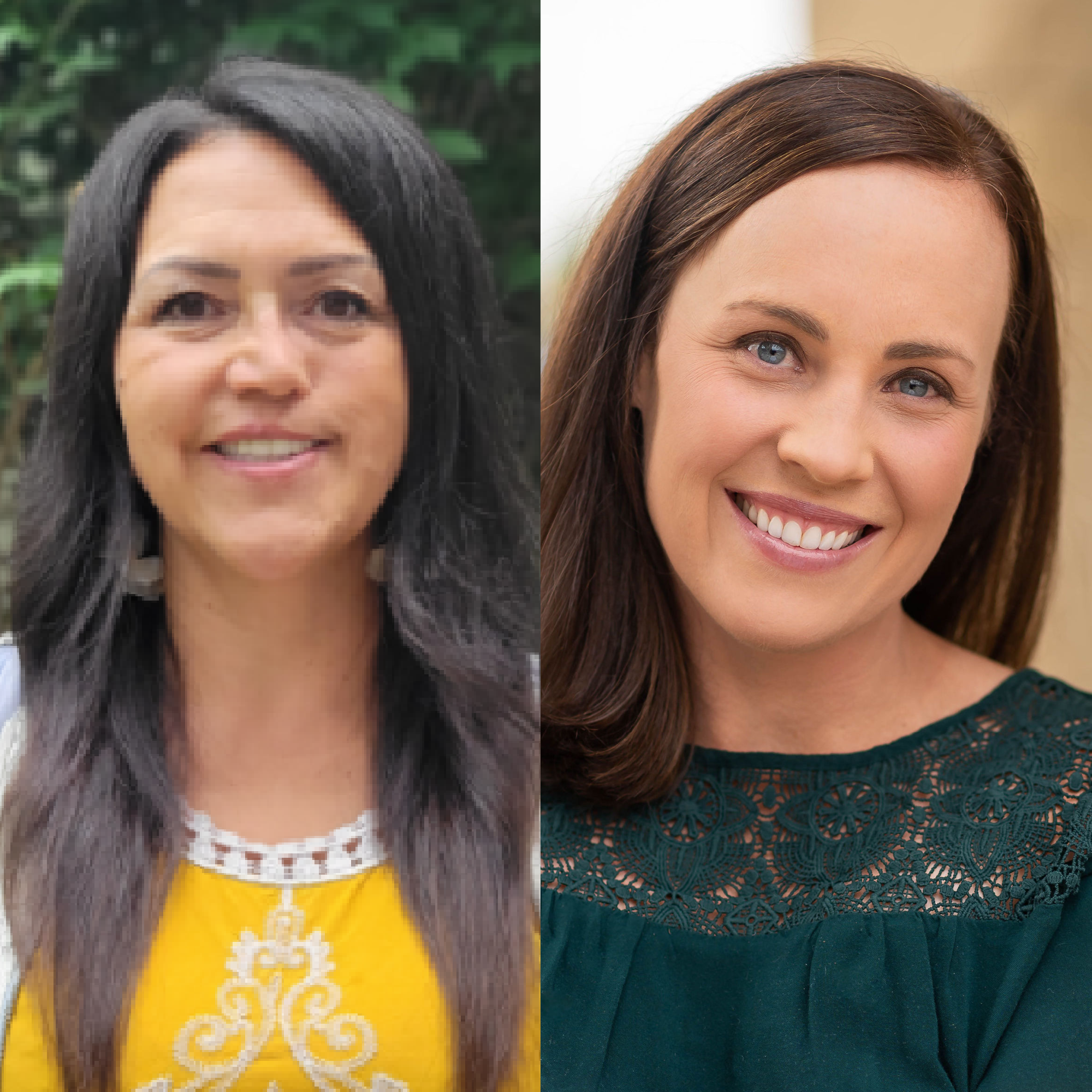
By: Alece H.M. Montez and Kristi Petrie, Co-Executive Directors, AJL Foundation
Colorado has long been a place that attracts people who want to build something. We are innovators, entrepreneurs and we solve hard problems. But our greatest strength has never been any single company, industry or group. It has been our ability to create the conditions where diverse people, businesses and communities can succeed together.
That collective prosperity has made Colorado’s economy strong, and it is also what long-term investors — including pension funds, foundations, endowments, and individual shareholders — ultimately depend upon.
As new challenges reshape our state, Colorado investors need to recognize that long-term financial success depends on collective prosperity.
CNBC recently dropped Colorado from 11th to 25th in its annual rankings of America’s Top States for Business. While the state continues to earn high marks for innovation and technology, it now ranks near the bottom nationally for cost of living. In response, the Colorado Chamber of Commerce warned that housing affordability and rising costs are threatening the state’s long-term competitiveness.
Coloradans feel those pressures too, but not equally. According to the Colorado Health Foundation’s 2026 Pulse Poll, 85% of Coloradans identify housing affordability and the cost of living as one of the state’s biggest challenges, and 76% worry they may no longer be able to afford living here in the future. Communities of color — especially young people — disproportionately bear these burdens because of longstanding barriers and exclusions to wealth-building and economic opportunity.
These are social and economic challenges that shape the opportunities available to the young people who will become Colorado’s future workforce, entrepreneurs and civic leaders. As Colorado becomes increasingly diverse, investing in their success isn’t simply a matter of equity — it is an investment in the state’s long-term economic resilience.
Naiem Ilela, a 19-year-old Colorado youth leader, puts it this way: “When the adults in Colorado make decisions, I hope they don’t lose sight of the fact that our world is bigger than any one individual or group. I hope my kids inherit a Colorado where they can express themselves without judgment, fear or limitation, and where they see themselves reflected in leaders committed to the good of this state. When you invest in love, your return is priceless.”
Investors have a role to play in shaping that future. When teachers, nurses, firefighters and young families can afford to live in the communities they serve, employers don’t struggle to recruit workers. When childcare is affordable, workforce participation increases. When drought, wildfire and rising insurance costs don’t strain households, businesses and local governments, those costs won’t ripple throughout the economy and ultimately affect investment returns.
Healthy markets depend on healthy communities, and we can’t treat those conversations as separate. Economic growth cannot be disconnected from the people and places that make it possible.
As leaders of a Colorado foundation that supports families and youth, we’ve spent several years asking ourselves: If our mission is to help Colorado communities thrive, what responsibility do we have as investors when the systems those communities depend upon are weakening?
That question led our board to adopt a new Investment Policy Statement. It reflects what many long-term investors globally are beginning to recognize: Investors cannot diversify away from systemic risks such as housing affordability, workforce instability, climate change or declining public trust. Those risks influence the performance of entire markets and, ultimately, every diversified portfolio.
That realization is also reshaping how we think about fiduciary duty. Fiduciary duty has largely been understood as maximizing long-term returns and minimizing risk. As investors, we know it also requires understanding and managing the financially material risks that shape the long-term health of the economy itself. Protecting long-term investment performance means helping strengthen the systems upon which that performance depends.
This conversation is especially timely as Colorado’s state pension fund, PERA, comes under scrutiny for executive overcompensation and financial performance. It invites a broader question: Should long-term success be measured only by outperforming a benchmark, or also by helping sustain the economic, social and environmental systems that make those returns possible? PERA’s more than 700,000 beneficiaries ultimately depend not only on financial markets, but on Colorado’s long-term prosperity.
It is imperative that Colorado investors — from large institutions to individual shareholders and 401K savers — broaden how they think about stewardship. Shareholder rights are tools for governance and accountability. By making intentional investment decisions, voting on key company decisions, and working together to hold companies accountable to their impacts, investors can help address financially material risks that no single company can solve alone.
Colorado does not prosper by standing still. We’ve built our economy by recognizing new realities and adapting before circumstances force us to. Today’s investors and business owners face a similar moment. It’s time we recognize that protecting long-term returns means investing in the people, communities and natural systems that make those healthy returns possible here in Colorado.
Alece H.M. Montez, of Westminster, and Kristi Petrie, of Denver, are the co-executive directors of AJL Foundation.